
Every October, millions of Canadians start planning their escape from winter. Most default to Florida or Arizona. A growing number are looking further south and finding something they didn’t expect.
The Canadian winter is not a minor inconvenience. It is a months-long reality that shapes how Canadians plan their year, their finances, and increasingly, their long-term living arrangements. Snowbirds, Canadians who spend three to six months in warmer climates during winter, represent one of the most significant long-stay travel demographics in the world.
For decades, the default destinations were predictable. Florida for the beaches and familiarity. Arizona for the dry heat. Mexico for the cost savings. These destinations still dominate, but they come with well-documented downsides: overcrowding, rising costs, hurricane seasons, and in some cases, safety concerns that have shifted the calculus for many Canadian travelers.
Panama has emerged as a consistent alternative in that conversation, and not just for retirees or budget travelers. The combination of year-round tropical climate, dollar currency, direct flights from Toronto, Montreal and Vancouver, JCI-accredited private hospitals, and a geographic diversity that no single U.S. state can match has made Panama a genuinely compelling option for Canadians evaluating where to spend their winters.
This is not a destination that replaces Florida for everyone. It is a destination that makes Florida feel like the obvious choice before you’ve actually looked at the alternatives.
Here’s what Canadian snowbirds actually find when they look at Panama properly.

Why Panama Works for Canadian Snowbirds
The Climate Case
Panama sits nine degrees north of the equator. Average temperatures in Panama City range from 25°C to 32°C year-round. There is no cold season, no shoulder season where temperatures become uncomfortable, and no meaningful variation between December and April. That is precisely the window when most Canadian snowbirds are looking to escape.
December through April is Panama’s dry season. Clear skies, lower humidity, and the most consistently pleasant weather of the year. It aligns almost perfectly with the Canadian winter calendar, the months when temperatures in Toronto, Vancouver, Montreal, and Calgary make outdoor living genuinely difficult.
Panama also sits south of the Caribbean hurricane belt. The country has not been directly affected by a major hurricane in modern history. For Canadians who have watched Florida evacuations or dealt with hurricane-related insurance complications, this is a structural advantage that deserves more attention than it typically receives.
The Chiriquí highlands, where Boquete is located, offer a different climate entirely. Temperatures there average 18°C to 24°C, with cool evenings that regularly drop to 12°C. For Canadians who find tropical heat excessive, Boquete offers mountain climate with all of Panama’s other advantages intact.
The Dollar Advantage
Panama has used the U.S. dollar as its legal currency since 1904. For Canadian snowbirds managing a winter budget, this means exposure to USD/CAD exchange rates rather than a local currency that could devalue unpredictably. While the CAD/USD exchange rate fluctuates, it is a rate Canadians already manage for U.S. travel. Familiar, trackable, and without the additional layer of local currency conversion that affects spending in Mexico, Costa Rica, or most other Latin American destinations.
The practical implication is significant. Bank transfers, credit card transactions, and cash management all work within a framework Canadian snowbirds already understand. There is no local currency to acquire, no black market exchange rate to navigate, and no exposure to monetary policy decisions by a central bank managing a volatile local currency.
The Flight Connection
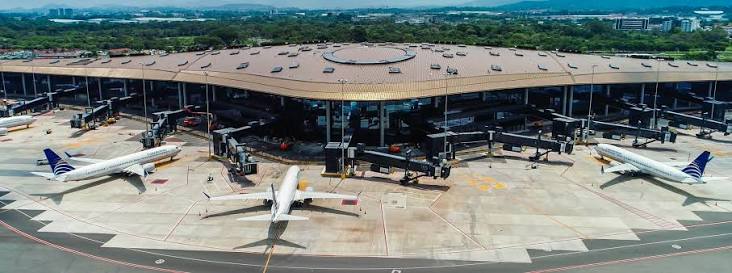
Copa Airlines operates direct service from Toronto, Montreal, and Vancouver to Panama City’s Tocumen International Airport. Flight times range from approximately 6 hours from Toronto to under 7 hours from Vancouver. Comparable to flying to popular European destinations, and significantly shorter than many Canadians expect.
Tocumen connects to 88 destinations across 32 countries, which matters for snowbirds who want to use Panama as a hub for regional travel during their stay. Caribbean islands, South American destinations, and other Central American countries are all accessible with short connecting flights.
For Canadians maintaining business ties, family connections, or medical appointments at home, the ability to return to Canada and come back within a manageable travel window makes Panama a practical long-stay option rather than a genuine relocation.
The Cost of Living
Panama is not the cheapest country in Latin America, and it doesn’t position itself as such. What it offers is a quality-to-cost ratio that consistently surprises Canadians arriving with expectations calibrated to Florida or Mexico.
Canada’s Consumer Price Index increased 3.2% year over year in May 2026, with grocery prices rising 4.3%. The IMF projects Panama’s average consumer price inflation at approximately 1.4% for 2026. A meaningful difference in purchasing power predictability for snowbirds managing fixed retirement income or investment withdrawals.
A comfortable long-stay lifestyle in Panama City, including a well-located furnished apartment, food, transport, entertainment, and utilities, typically ranges from $2,500 to $4,500 CAD per month depending on choices and neighborhood. Boquete and Pacific coast towns run lower. The financial district and upscale Panama City neighborhoods run higher.
For context: a comparable lifestyle in Miami or Scottsdale typically costs significantly more, without Panama’s additional advantages in healthcare access and geographic diversity.
How Long Can Canadians Stay in Panama?
Canadian citizens can enter Panama visa-free for up to 180 days, six months, per visit. This covers the entire Canadian winter season without requiring any visa application or advance immigration arrangement.
The 180-day allowance applies to tourism purposes. Canadians arriving for leisure, rest, and exploration do not need to navigate Panama’s immigration system beyond the standard entry process at Tocumen Airport.
For those considering stays beyond 180 days, or who want to establish a more permanent base in Panama, various residency options exist. These involve legal processes that are beyond the scope of this article, but the standard tourist allowance covers the needs of the vast majority of Canadian snowbirds without any additional complexity.
For current entry requirements, the Government of Canada’s Travel Advisories for Panama is the authoritative source and should be consulted before travel.
The Best Areas in Panama for Long-Stay Visitors
Panama City
Panama City is the most practical base for Canadian snowbirds who want urban infrastructure, direct international access, and the full range of services that make a long stay genuinely comfortable rather than merely warm.
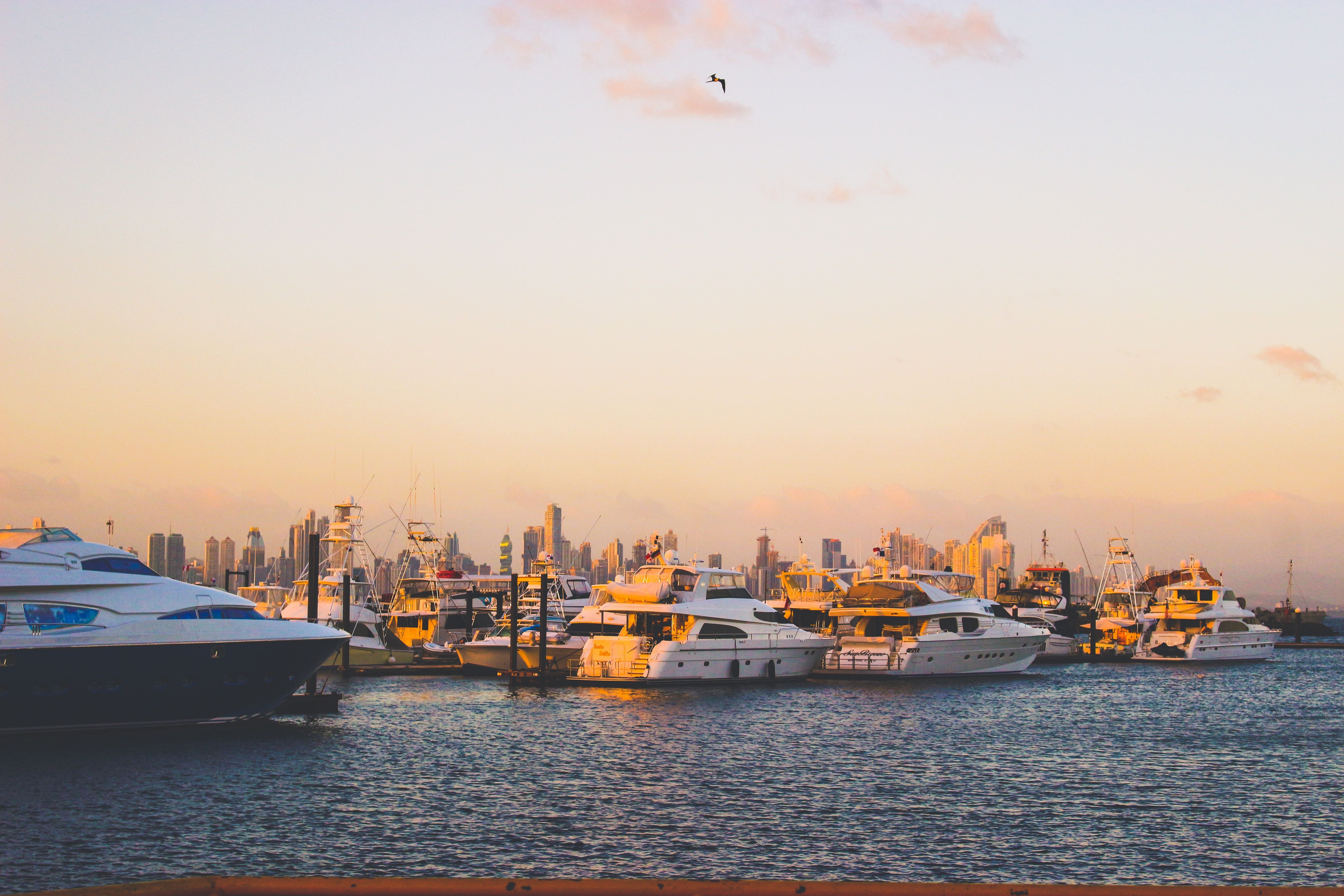
The financial district, Punta Pacífica, Marbella, and San Francisco neighborhoods offer modern residential infrastructure. High-rise apartments with city or ocean views, reliable utilities, international supermarkets, and proximity to the private hospital cluster that serves Panama’s international resident population.
Casco Viejo, the UNESCO World Heritage colonial quarter, offers a completely different character. Boutique hotels converted from colonial buildings, the best restaurant scene in Central America, cobblestone streets, and a neighborhood energy that makes a long stay feel like genuine immersion rather than temporary accommodation.
For snowbirds who want to combine urban convenience with cultural depth, spending time between the financial district and Casco Viejo covers both dimensions without requiring any significant travel within the city.
Boquete and the Chiriquí Highlands
Boquete is the destination most frequently cited by long-stay Canadians who have already been to Panama, and the one most likely to surprise first-time visitors who arrive expecting a tropical beach town.
Located at approximately 1,200 meters in the Chiriquí highlands, Boquete has a cool mountain climate, cloud forest trails, and one of the most established English-speaking expat communities in Latin America. The town has been attracting North American long-stay visitors for over two decades, which means the infrastructure for international residents, including international-standard medical care, English-speaking services, and established social networks, is more developed than in most comparable destinations.
Boquete also produces the world’s most awarded coffee. The Geisha variety grown on estates surrounding the town has broken the world record for the most expensive coffee sold at auction multiple times, most recently at $30,204 per kilogram at the 2025 Best of Panama auction. For snowbirds interested in food, agriculture, and culinary travel, this is not a minor footnote. It is a reason to stay.
The combination of cool climate, established community, and extraordinary natural environment makes Boquete the most popular highland alternative to Panama City for Canadian long-stay visitors.
Coronado and the Pacific Coast
Coronado, approximately 80 kilometers west of Panama City on the Pacific coast, is the most established beach community for North American long-stay residents in Panama. The area has a large existing expat population, golf courses, beach clubs, international supermarkets, and the kind of residential infrastructure that makes a six-month stay genuinely comfortable rather than adventurous.
The Pacific coast runs dry from December through April, aligning with the Canadian winter, with calm seas, consistent sunshine, and temperatures that make outdoor living easy throughout the day.
For snowbirds whose priority is a beach-based lifestyle with familiar amenities, Coronado and the surrounding Pacific coast communities offer the closest equivalent to Florida’s established snowbird infrastructure within Panama.
Bocas del Toro
Bocas del Toro, Panama’s Caribbean archipelago, operates on a different weather pattern from the Pacific coast. Its own dry season runs roughly January through March and July through August. For snowbirds arriving in January, Bocas offers clear Caribbean water, coral reefs, overwater bars, and an archipelago atmosphere that feels genuinely remote despite being accessible by a one-hour flight from Panama City.
Bocas is less developed than Coronado and less urban than Panama City, which makes it better suited to snowbirds seeking a quieter, more nature-focused long stay rather than the full urban infrastructure of the capital. The existing expat community is smaller but established, and the lifestyle rhythm is distinctly Caribbean. Relaxed, colorful, and unhurried in ways that urban Panama City is not.
Healthcare in Panama for Canadian Visitors
Healthcare is consistently the most important practical consideration for Canadian snowbirds evaluating international destinations, and Panama addresses it more directly than most alternatives.
Panama City’s private hospital sector operates at international standards. Several facilities hold Joint Commission International (JCI) accreditation, the same certification standard used to evaluate hospitals globally, including Hospital Punta Pacífica, which operates in affiliation with Johns Hopkins Medicine International. This affiliation provides access to Johns Hopkins clinical protocols, telemedicine consultations with Johns Hopkins specialists, and a level of medical quality assurance that most international destinations cannot match.
For context on why this matters to Canadians specifically: the reported median wait time in Canada from a general practitioner’s referral to specialist treatment was 28.6 weeks in 2025. Panama’s private hospitals offer specialist consultations typically within days, at costs that are a fraction of comparable private care in Canada or the United States.
Canadian snowbirds should carry comprehensive travel health insurance for their entire stay. Standard practice for any international trip exceeding the provincial health plan’s coverage window. Most Canadian travel insurance providers cover Panama, and the combination of Canadian travel insurance with Panama’s private hospital access creates a healthcare arrangement that many long-stay visitors find more responsive than what they experience at home.
Boquete has its own medical facilities suitable for routine care, with access to Panama City specialists for anything requiring higher-level intervention. Coronado and the Pacific coast are within 90 minutes of Panama City’s hospital cluster, a manageable distance for non-emergency situations.
Panama vs Florida: An Honest Comparison
The Florida comparison comes up in almost every conversation about Canadian snowbirds considering Panama, and it deserves a direct, honest answer rather than promotional framing.
Climate. Both offer warm winter weather. Florida’s Gulf Coast averages 20-25°C in January-February, with occasional cold fronts. Panama averages 27-30°C with no cold fronts. Panama wins on consistency.
Hurricane risk. Florida sits squarely within the Atlantic hurricane belt. Panama does not. For snowbirds who have dealt with hurricane evacuations or insurance complications, this is a meaningful structural difference.
Cost. Florida costs have risen significantly. Miami, Naples, and Sarasota, the most popular snowbird destinations, now command housing costs and living expenses that make Panama City look affordable by comparison. A furnished one-bedroom apartment in Miami’s Brickell neighborhood runs 3,000-5,000 USD per month. Comparable quality in Panama City typically runs 1,500-3,000 USD.
Familiarity. Florida wins. English is universal, the infrastructure is familiar, and the social networks for Canadian snowbirds are well-established. Panama requires more initial effort to navigate, though significantly less than most people expect, given Panama City’s high English proficiency and international character.
Healthcare. Both offer access to high-quality private care. Panama’s costs are substantially lower.
Natural diversity. Florida offers beaches and the Everglades. Panama offers the Canal, two coastlines, cloud forest highlands, Caribbean archipelagos, Pacific islands, and one of the richest biodiversity environments on earth. Panama wins decisively on variety.
The honest summary: Florida is easier. Panama is more interesting, more affordable, and more rewarding for snowbirds willing to invest a small amount of initial effort in orienting themselves to a new environment.
Panama vs Costa Rica for Snowbirds
Costa Rica is the other destination that comes up most frequently when Canadian snowbirds consider alternatives to Florida. The comparison deserves honest treatment.
Currency. Costa Rica uses the colón, which fluctuates against the CAD. Panama uses the USD. Simpler and more predictable for Canadians managing a winter budget.
Healthcare. Both countries have private hospital options. Panama City’s hospital cluster, including the Johns Hopkins-affiliated facility, is generally considered stronger than what’s available in most Costa Rican destinations outside San José.
Flight access. Both countries have direct flights from Canada. Panama’s Tocumen hub offers more routing options and connections.
Cost of living. Costa Rica’s popular expat areas, Tamarindo, Manuel Antonio, Escazú, have seen significant price increases over the past decade. Panama and Costa Rica are now broadly comparable in cost for comparable quality, with Panama having a slight edge in urban areas.
Safety. Both countries are considered safe by Latin American standards. The Government of Canada rates both at similar advisory levels. Costa Rica has a longer established reputation among North American travelers. Panama’s safety profile in its tourist and luxury circuits is equally strong.
Natural environment. Costa Rica is world-renowned for biodiversity. Panama is equally biodiverse and less visited. Soberanía National Park held the Audubon Society’s world bird count record for 19 consecutive years. For nature-focused snowbirds, Panama offers comparable or superior wildlife access with fewer crowds.
The verdict. Both are excellent choices. Panama has a structural financial advantage (USD), comparable or stronger healthcare access, and arguably superior connectivity. Costa Rica has a longer established reputation and more existing North American infrastructure in its tourist areas.
What a Long-Stay Panama Experience Actually Looks Like
For Canadian snowbirds considering Panama seriously, the abstract case matters less than understanding what daily life actually looks like during a three-to-six month stay.
A typical long-stay arrangement in Panama City might involve a furnished apartment in San Francisco or Punta Pacífica. A modern building with full amenities, city or ocean views, within walking distance of international supermarkets and 10-15 minutes from the hospital cluster. Morning walks along the Cinta Costera, Panama City’s waterfront promenade. Weekend exploration of Casco Viejo’s restaurant scene. Day trips to the Canal, the rainforest at Soberanía National Park, or the Pearl Islands by private yacht.
A long-stay arrangement in Boquete looks entirely different. A house or apartment with garden, surrounded by coffee estates and cloud forest. Cool mornings with Volcán Barú visible when the mist clears. Weekly visits to the Boquete farmer’s market. Hiking trails accessible from the town center. A social calendar anchored in the established expat community. Weekend trips to Panama City or Bocas del Toro for variety.
Both versions are genuine long-stay options. Most snowbirds who spend extended time in Panama end up splitting their time between at least two of these environments. Urban Panama City plus Boquete, or Coronado beach plus Panama City, building a rhythm that keeps the stay interesting across multiple months.
How Panama Luxury Experiences Coordinates Long-Stay Visits
The difference between a long-stay in Panama that exceeds expectations and one that requires constant self-coordination is largely a function of having the right local support from day one.
At Panama Luxury Experiences, we design long-stay arrival experiences for Canadian snowbirds who want to land in Panama and start living, rather than spend the first two weeks figuring out where everything is.
Accommodation selection and arrangement. We match long-stay accommodation to lifestyle, budget, and the specific rhythm of your stay. Urban, highland, coastal, or a combination. We work with vetted properties across Panama City, Boquete, Coronado, and Bocas del Toro, and we negotiate arrangements that make a three-to-six month stay work logistically and financially.
Airport arrival and orientation. Private transfer from Tocumen, hotel or apartment check-in coordinated in advance, and an initial orientation to your neighborhood and the city’s key practical resources. Supermarkets, pharmacies, medical facilities, and the services that matter for a long stay rather than a short visit.
Healthcare navigation. For snowbirds who want to establish a relationship with Panama’s private medical system from the start, we facilitate introductions to English-speaking physicians and specialists at JCI-accredited facilities. Knowing which hospital to go to and having a local contact who can navigate the system is a meaningful advantage in any medical situation.
Weekend and day experience coordination. The Canal from a private helicopter. A catamaran in San Blas. A private coffee estate visit in Boquete. A yacht day in the Pearl Islands during whale watching season. For snowbirds spending three to six months in Panama, these are the experiences that transform a comfortable long stay into a genuinely memorable chapter. We coordinate them individually or as part of a broader seasonal calendar.
Ongoing concierge support. Restaurant reservations at tables that don’t take public bookings. Private transfers for day trips outside the city. Event access. The ongoing local support that makes a long stay in a new country feel less like management and more like living.
One contact. Every detail. From your first question before departure to your last day in Panama.
If you are a Canadian snowbird evaluating Panama for this winter, or planning a long-stay visit for the season ahead, send us a message. We coordinate the full experience.
📩 info@panamaluxuryexperience.com
panamaluxuryexperience.com
WhatsApp: +507 6927-8446
Frequently Asked Questions
How long can Canadian snowbirds stay in Panama without a visa?
Canadian citizens can stay in Panama for up to 180 days (six months) without a visa. This covers the entire Canadian winter season without requiring any advance immigration arrangement. For current requirements, consult the Government of Canada Travel Advisories for Panama.
Is Panama safe for Canadian snowbirds?
Panama is generally considered one of the safest countries in Latin America for international visitors, particularly in the areas most relevant to snowbirds: Panama City’s financial district and Casco Viejo, Boquete, Coronado, and coastal luxury destinations. The Government of Canada rates Panama at a standard advisory level comparable to many European destinations. Standard urban precautions apply.
Do Canadian snowbirds need travel health insurance for Panama?
Yes. Provincial health plans provide very limited or no coverage outside Canada after a short period. Comprehensive travel health insurance is essential for any stay of significant length. Most Canadian travel insurance providers cover Panama, and coverage should be confirmed and in place before departure.
Is English widely spoken in Panama?
English proficiency in Panama City is high by Latin American standards, particularly in the financial district, Casco Viejo, and international residential neighborhoods. In Boquete, the established expat community means English is widely understood in most practical situations. Outside these areas, Spanish is dominant, though service providers in tourist destinations typically have functional English.
What is the best time of year for Canadian snowbirds to arrive in Panama?
December through April is Panama’s dry season, the most consistently pleasant weather of the year, aligning almost perfectly with the Canadian winter. Most snowbirds target December or January arrivals to maximize the dry season window.
Can Canadian snowbirds open a bank account in Panama?
Banking for non-residents in Panama has become more complex in recent years due to international compliance requirements. Short-stay snowbirds typically manage with Canadian bank accounts and credit cards, which work normally in Panama’s dollarized economy. For those considering longer-term arrangements, professional financial advice is recommended.
Is Panama cheaper than Florida for snowbirds?
For comparable quality, Panama is generally more affordable than Florida’s popular snowbird destinations, particularly Miami, Naples, and Sarasota, where costs have risen significantly. Furnished apartments, dining, and services in Panama City typically run 20-40% below comparable quality in Florida’s major snowbird markets.
Are there direct flights from Canada to Panama?
Yes. Copa Airlines operates direct service from Toronto, Montreal, and Vancouver to Panama City’s Tocumen International Airport. Additional routing options exist through U.S. hub cities for travelers from other Canadian cities.
What are the best neighborhoods in Panama City for long-stay snowbirds?
Punta Pacífica and San Francisco offer the best combination of modern residential infrastructure, proximity to private hospitals, and access to international amenities. Marbella and Obarrio are also popular with international residents. Casco Viejo suits snowbirds who prioritize character, walkability, and the city’s best restaurant scene over residential convenience.
Is Boquete or Panama City better for Canadian snowbirds?
It depends on lifestyle preference. Panama City offers urban infrastructure, international flights, top-tier healthcare, and the full range of services that make a long stay logistically simple. Boquete offers a cooler mountain climate, a close-knit English-speaking expat community, extraordinary natural environment, and a slower pace that many snowbirds find more genuinely restorative. Many experienced Panama snowbirds split their time between both.
Sources: Government of Canada Travel Advisories. Copa Airlines Canada routes. InterNations Expat Insider 2025. IMF World Economic Outlook 2026. Johns Hopkins Medicine International. Joint Commission International. Best of Panama.