If you're considering a trip to Panama, safety is probably one of your first questions.
The short version: Panama is one of the safer countries in Latin America for luxury travelers, particularly within the well-established tourism and business circuits. But like any country, it has areas and situations that require awareness. This guide breaks down what you actually need to know, from official government advisories to the specific neighborhoods worth visiting (and avoiding), from common concerns to the practical steps that reduce risk to nearly zero.
We're a Panama-based concierge company that coordinates travel for international guests every week. What follows isn't a promotional pitch. It's the assessment we give to our own clients, the same one that guides every itinerary we design.
Panama is generally considered one of the safest countries in Latin America for luxury travelers, particularly in Panama City's tourism and business districts (Casco Antiguo, financial district, Punta Pacífica), the Boquete highlands, and coastal luxury destinations. The US State Department currently classifies Panama at a low travel advisory level, and standard precautions similar to any major international city apply.
Is Panama Safe Right Now? The Short Answer
Yes, with context.
Panama has one of the lower homicide rates in Central America, significantly below Mexico, Colombia and even neighboring Costa Rica in recent years. Its economy is stable, its currency is the US dollar, and its political system is functioning within normal democratic bounds.
For travelers who stay within established tourism and business areas, follow reasonable precautions, and use trusted local services, safety incidents are rare. The vast majority of visitors to Panama return home without any negative experience beyond the occasional overpriced taxi.
That said, Panama isn't Switzerland. Certain neighborhoods have real crime problems. The Darién region on the Colombian border is genuinely dangerous. Petty theft happens in tourist zones as it does in every major destination worldwide. Understanding the specifics is what separates informed travel from anxious travel.
What Do Official Government Advisories Say?
International governments issue travel advisories to inform their citizens about risks abroad. Here's what the major ones say about Panama at the time of writing:
United States (US State Department): According to the US Department of State Travel Advisory for Panama, Panama is currently classified at Level 2, "Exercise Increased Precautions.
United Kingdom (Foreign, Commonwealth & Development Office): Current UK guidance considers most of Panama safe for tourism.
Canada (Government of Canada): Government of Canada travel advice provides similar assessment. General travel is considered safe, with regional cautions noted.
Australia and European Union: Both maintain travel guidance consistent with the above, normal precautions for most areas, with regional cautions.
The consistent message across major advisory sources: Panama is safe for standard tourism. Regional cautions apply to specific border areas and known high-crime neighborhoods that no luxury itinerary would include.
Always check current advisories before traveling. Guidance changes based on real-time conditions, and the information in this article reflects the situation at the time of writing.
The Safest Areas for Luxury Travelers
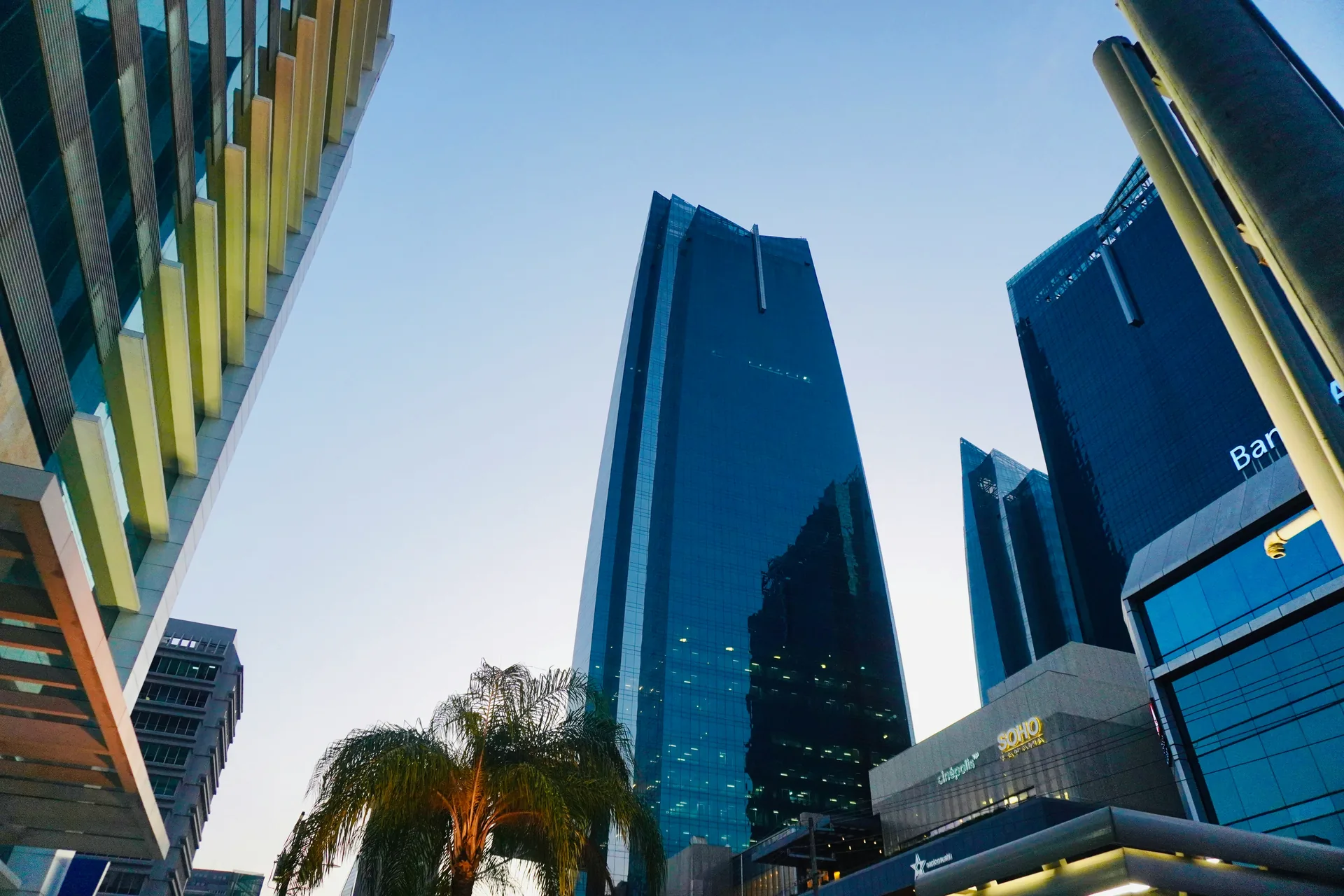
The luxury travel circuit in Panama concentrates in areas with excellent safety records and significant infrastructure investment. Here's where luxury travelers spend their time, and why these zones are particularly safe.
Panama City Neighborhoods to Prioritize
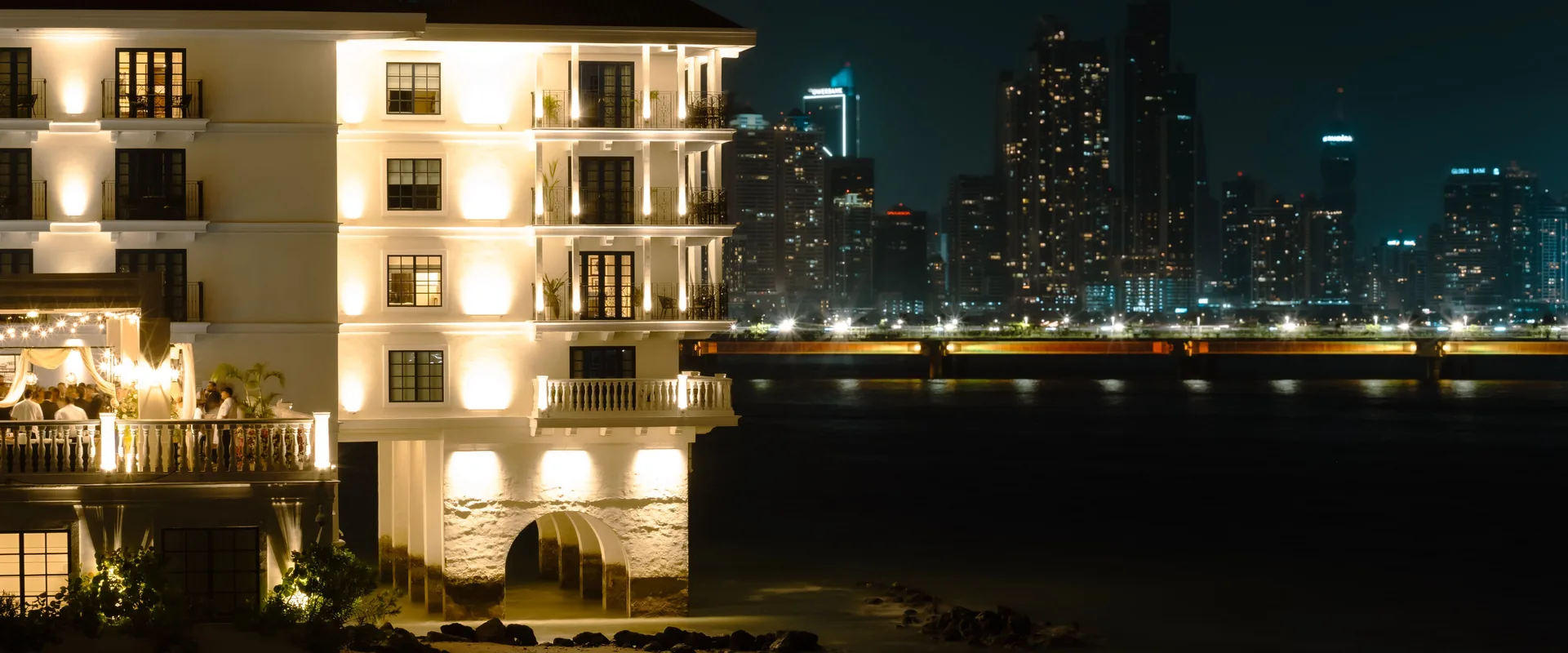
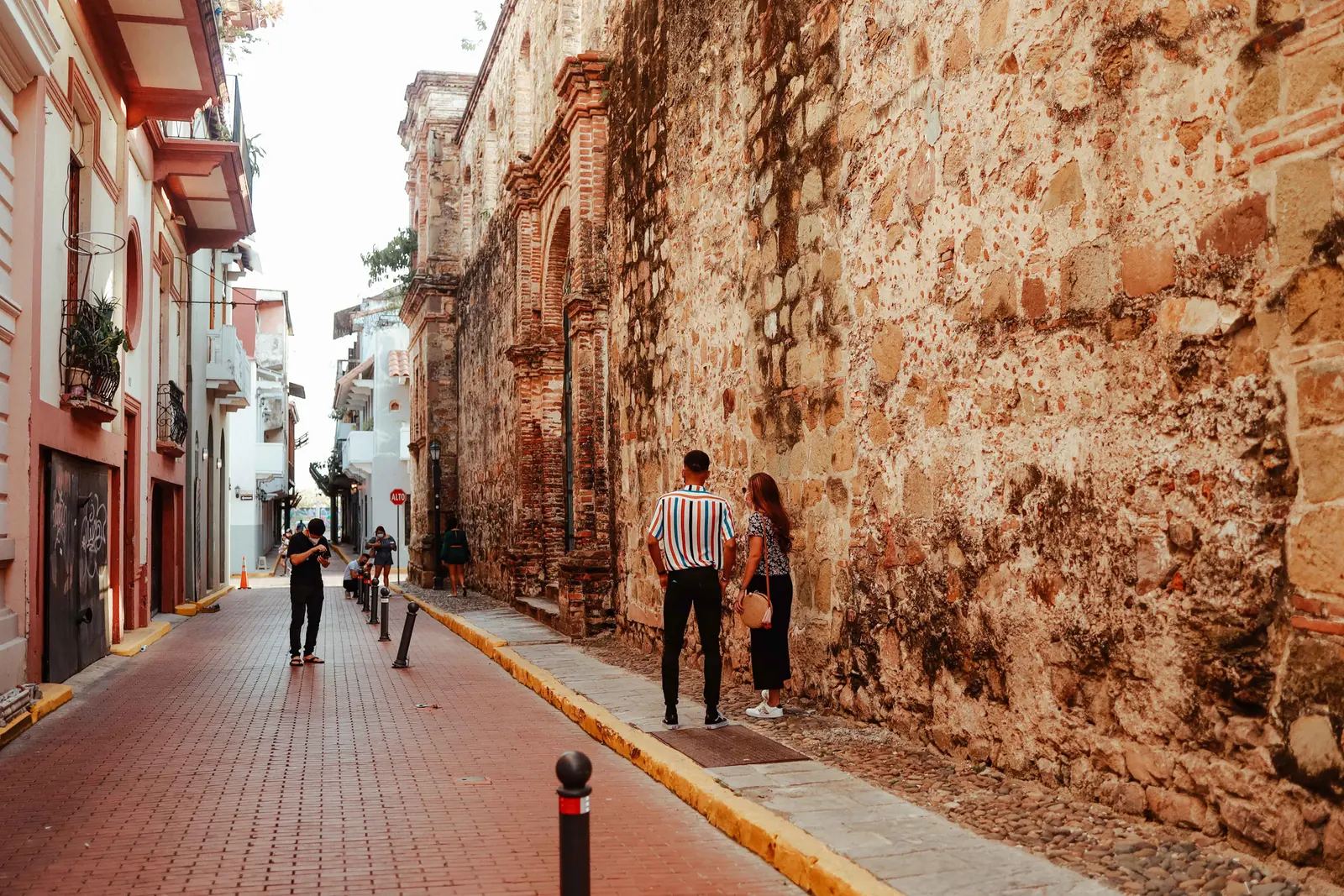
Casco Antiguo (Casco Viejo). Panama City's UNESCO-listed colonial quarter is the epicenter of luxury tourism. Restored 18th-century architecture, boutique hotels, world-class restaurants, and one of the most visible tourist police presences in Latin America. Walking here, even at night, is safe within the historic district. The Tourist Police maintain 24-hour patrols specifically for this area.
The Financial District (Área Bancaria). Home to international banks, corporate offices, and luxury business hotels like the Waldorf Astoria and Bristol. Modern, well-lit, secured by 24-hour building security and police presence. This is where corporate travel happens.
Panama's Autoridad de Turismo Panamá (ATP) maintains dedicated tourist police units in the main luxury zones of Casco Antiguo and the financial district.
Punta Pacífica. A modern residential and hotel district (home to the Waldorf Astoria and several luxury residences) with excellent security infrastructure. Popular with expats and international residents.
Costa del Este. An upscale residential and business district east of the airport. Modern, planned community with strong security. Home to several luxury hotels and corporate headquarters.
San Francisco and Marbella. Established upscale neighborhoods with restaurant scenes, retail, and residential luxury. Safe for walking day and evening.
Beach and Island Destinations
Pearl Islands (Archipiélago de las Perlas). The archipelago includes several luxury properties including private islands. Sparsely populated, remote, and with minimal crime concerns. Access is controlled through legitimate charter operations.
Bocas del Toro. The Caribbean archipelago has grown its luxury infrastructure significantly. Main islands (Isla Colón, Bastimentos) are safe for tourism. Standard beach town precautions apply.
San Blas (Guna Yala). Autonomous indigenous territory administered by the Guna people. Very low crime, unique cultural environment. Access requires either direct arrangement with the Guna community or professional coordination.
Playa Blanca, Buenaventura, and Pacific coastal resorts. Established beach destinations with luxury properties (JW Marriott, Bristol Buenaventura). Standard resort-area safety.
Boquete and Highland Areas
Boquete. The highland town in Chiriquí province is one of the safest destinations in Central America, with a large expat population (particularly Canadians and Americans) and low crime rates. Extremely safe for walking, dining and exploring.
Volcán and Cerro Punta. Higher-altitude villages near Boquete. Safe, sparsely populated, agriculture-focused. Low crime concerns.
Areas to Avoid or Approach with Caution
Honest travel guidance requires naming the areas where caution matters:
The Darién Gap. The dense jungle region on Panama's Colombian border is genuinely dangerous. Beyond geographic remoteness, it has been used by criminal groups and irregular migration routes. No legitimate luxury tourism ventures into this region. The Ministry of the Environment maintains protected areas that can be visited with authorized guides, but this is not casual tourism.
Colón city center. The port city of Colón (on the Caribbean side of the Canal) has significant crime concerns in its central urban areas. Cruise ship excursions to Colón exist and are safe when conducted through operators, but independent exploration of Colón's downtown is not recommended.
Certain neighborhoods in Panama City periphery. Several neighborhoods on the outskirts of Panama City have elevated crime rates and would not be part of any luxury itinerary. These include specific areas that no reasonable tourism map would suggest visiting.
The Mosquito Gulf coastline. The remote Caribbean coast between Colón and the Costa Rican border has minimal infrastructure, limited law enforcement presence, and is not suitable for casual travel.
After-dark solo walking in unfamiliar neighborhoods. As in any city worldwide, exercising judgment about where and when to walk alone applies in Panama City.
A well-designed luxury itinerary automatically avoids all of these areas. The tourism, business and residential zones of Panama are geographically distinct from the higher-risk areas.
Is Panama Safer Than Mexico, Colombia or Costa Rica?
Direct comparisons help contextualize what "safe" means regionally.
Panama vs Mexico. Mexico's overall homicide rate is approximately three times higher than Panama's according to UNODC data. However, Mexico is a vast country with enormous regional variation, some destinations (Yucatán, Los Cabos, Mexico City tourist zones) have safety records comparable to Panama, while others carry serious risks. As a country-level comparison, Panama has meaningfully lower general crime rates.
Panama vs Colombia. Colombia has made enormous progress in safety over the past two decades. Bogotá, Medellín, Cartagena and the Coffee Region are now major tourism destinations. Country-level statistics still show Colombia with higher violent crime rates than Panama, but the practical experience in luxury tourism circuits is comparable in both countries.
Panama vs Costa Rica. This comparison surprises many travelers. Recent InSight Crime analysis shows Costa Rica's homicide rate has actually exceeded Panama's in some annual measurements. Costa Rica remains a safe country for tourism, but the persistent perception that it is dramatically safer than Panama isn't supported by recent data. Both countries offer safe luxury tourism environments.
Panama vs the US. For context: several major American cities have homicide rates comparable to or higher than Panama's national average. This isn't to suggest US cities are unsafe, it's to contextualize that Panama's safety statistics are within the range of what North American travelers already experience at home.
The overall picture: Panama is safe for tourism at a level comparable to or better than the most-visited destinations in Latin America.
Common Safety Concerns Explained
Here's the honest reality on the questions we hear most often:
Is there cartel violence in Panama?
Panama has not experienced the organized cartel violence that has affected parts of Mexico and Central America's Northern Triangle (Guatemala, Honduras, El Salvador). Panama's geographic position, a narrow isthmus between larger drug-producing and drug-consuming regions, means it does have counter-narcotics enforcement activity, but visible violence associated with cartels is not part of the tourist experience. Luxury travelers will not encounter cartel-related concerns during a standard visit.
What about petty crime?
Petty crime, pickpocketing, phone theft, occasional bag snatching, does happen in Panama, particularly in crowded areas and around cruise ship arrivals. Standard precautions (keep valuables secure, don't display expensive items openly in crowded public places, be aware of surroundings) reduce risk substantially. Luxury travelers using private transportation and staying in premium properties rarely encounter these situations at all.
Can I drink the tap water in Panama?
Yes, in most areas. Panama City has one of the best water treatment systems in Latin America. The World Health Organization recognizes Panama's water infrastructure as meeting international standards for potable water in urban areas. Tap water in the capital is safe to drink for locals and visitors alike. In some rural areas and older infrastructure, bottled water is recommended as a precaution, but this is out of caution rather than necessity. Ice and food washed in Panama City tap water are safe.
Are mosquitoes and tropical diseases a concern?
Panama has mosquito populations that vary by region and season. Dengue and Zika have been present historically, though outbreaks are periodic rather than constant. Malaria risk is minimal in tourist areas but present in the Darién region (which luxury travelers should not visit regardless). Standard tropical travel precautions apply: mosquito repellent (particularly in beach and jungle areas), long sleeves in evening when practical, and paying attention to any health advisories at the time of travel.
The CDC's official travel health information for Panama provides current guidance on recommended vaccinations and health precautions for visitors.
Yellow fever vaccination is not required for entry to Panama unless you're arriving from a country where yellow fever is endemic. Check current requirements before travel.
Panama has no active malaria concerns for tourists staying in Panama City, Boquete, Bocas del Toro or the Pacific coast luxury circuits.
Political stability and civil unrest
Panama is a functioning democracy with peaceful transitions of power. Occasional protests occur (as they do in most democracies), typically over specific policy issues, and rarely affect tourist areas. Recent history has been free of the kind of major civil unrest that has affected some other Latin American countries. Political stability is one of Panama's strongest attributes as a travel destination.
Freedom House classifies Panama as "Free" in its annual assessment of political rights and civil liberties, a designation shared with most Western democracies.
Safety for Specific Traveler Types
Different travelers have different concerns. Here's the honest read for major groups:
For American travelers
Panama has been a popular destination for American tourists, retirees and expats for decades. The country uses the US dollar, has extensive English-speaking infrastructure in tourist and business zones, and maintains strong diplomatic and economic relations with the United States. American travelers face no meaningful safety concerns unique to their nationality. If anything, Panama's American historical connection (the Canal Zone existed here until 1999) means American visitors are common enough to be almost invisible in tourist areas.
For Canadian travelers
Similar to Americans, Canadians travel to Panama in significant numbers, particularly as snowbirds during the North American winter (November-April). The expat Canadian community in Boquete and Panama City is large and well-integrated. English is widely spoken. No specific safety concerns apply to Canadian visitors.
For British and European travelers
British and European travelers are less common than North Americans but face no specific safety concerns. English is spoken in luxury hotels, restaurants and business districts. British passports are welcome without special visas for short-term tourism.
For LGBTQ+ travelers
Panama is not the most obvious LGBTQ+ destination in Latin America, same-sex marriage is not currently legal, and cultural attitudes vary by region. However, luxury travel circuits (Casco Antiguo, financial district, international hotels) are generally welcoming, discreet and respectful of LGBTQ+ guests. Physical safety concerns for LGBTQ+ travelers are minimal in tourism zones. See our dedicated guide to LGBTQ+ luxury travel in Panama for a full assessment.
Panama's LGBTQ+ legal landscape can be reviewed on Equaldex's Panama profile. While same-sex marriage is not currently legal, homosexuality has been legal since 2008.
For women traveling solo
Women travel safely in Panama's tourist circuits with the same precautions that apply globally: awareness of surroundings, avoiding walking alone late at night in unfamiliar areas, using trusted transportation. Panama City, Boquete and coastal luxury destinations are generally safe for solo female travelers. Standard precautions, not extraordinary ones, apply.
For families with children
Panama is a family-friendly destination. Hospitals in Panama City meet international standards (some hospitals like Punta Pacífica are affiliated with Johns Hopkins). Restaurants and hotels are typically child-welcoming. Standard travel-with-children considerations apply: sunscreen, hydration, mosquito prevention in beach and jungle areas.
The Safety Advantages Panama Has That Most Travelers Don't Know
Beyond the absence of common Latin American safety concerns, Panama offers several structural advantages worth noting:
No hurricanes. Panama sits south of the Caribbean hurricane belt as documented by NOAA's National Hurricane Center. Unlike much of Central America and the Caribbean, Panama has essentially no risk of hurricane damage or evacuations. This is a significant safety consideration for beach and island travel that many visitors don't consider.
Stable currency. The US dollar has been Panama's national currency since 1904. There is zero currency devaluation risk during your stay, no black market for exchange, and no unfamiliar bills to navigate for American travelers.
Excellent medical infrastructure. Panama City has hospitals that meet international standards, some with formal affiliations to US institutions (Pacífica Salud formally affiliated with Johns Hopkins Medicine International).For medical emergencies during travel, Panama's healthcare quality significantly exceeds most Latin American destinations.
Political and economic stability. Panama's economy has grown consistently for two decades. Its political institutions function within normal democratic parameters. There is no ongoing conflict, no active insurgency, and no significant political violence.
Widespread English. In tourism, business and luxury circuits, English is commonly spoken. This reduces the risk of miscommunication in emergencies or unfamiliar situations.
How Luxury Travel Reduces Safety Risks Further
For travelers using established luxury infrastructure and services, safety risks reduce to nearly zero. Here's why:
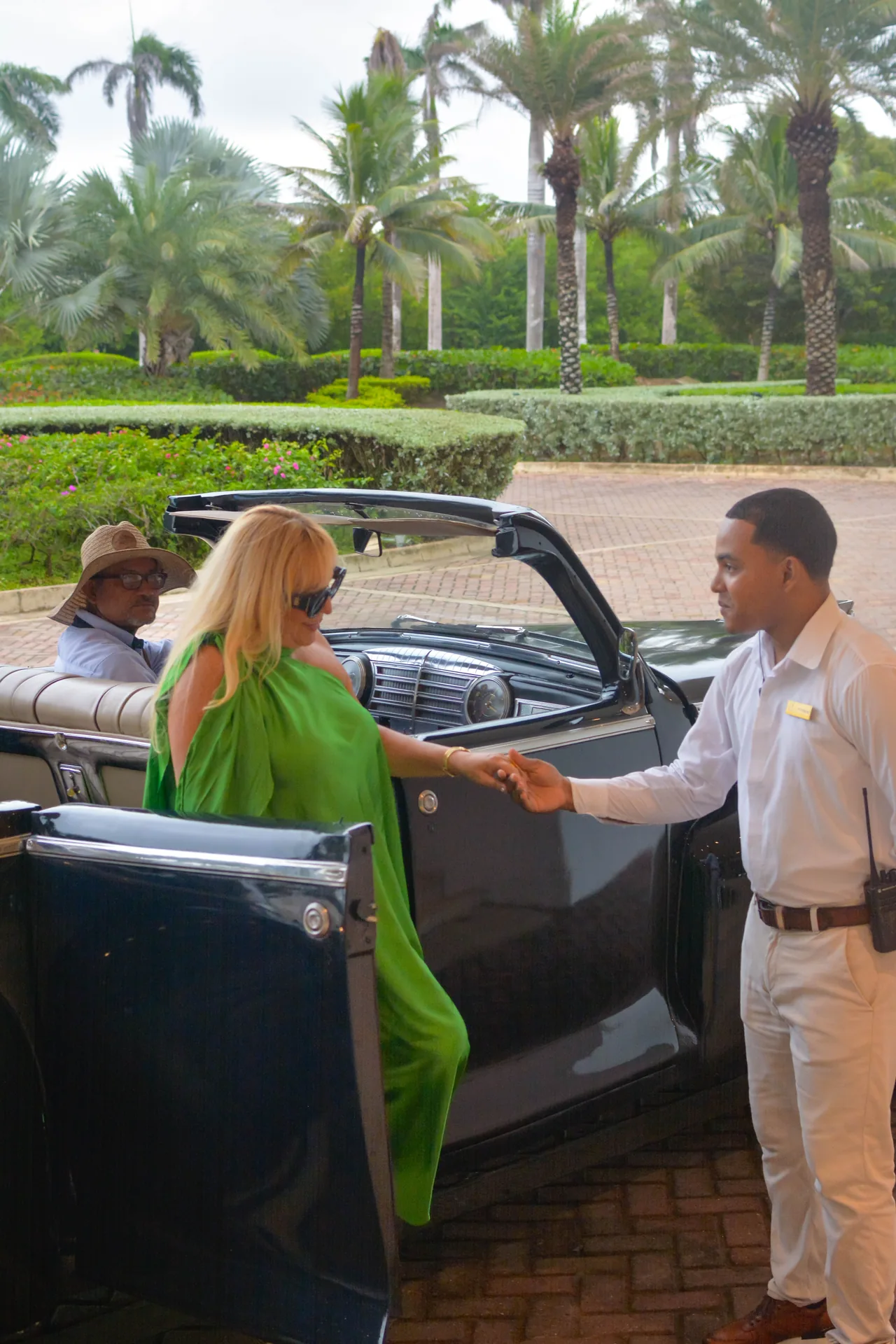
Private transportation eliminates most risk exposure. The majority of travel-related incidents in any country involve public transportation, unfamiliar taxis, or navigating unknown neighborhoods on foot. Luxury travelers using private chauffeurs, pre-arranged transfers and dedicated drivers bypass these risk vectors entirely.
Vetted properties provide secured environments. Luxury hotels, private islands and boutique properties invest heavily in security infrastructure: 24-hour security, controlled access, professional staff. The risk profile inside these environments is comparable to any luxury property anywhere in the world.
Curated experiences avoid unknowns. Travelers who work with a concierge don't stumble into unfamiliar situations. Restaurants, activities, guides and providers are pre-vetted. There are no surprises about where you're going or who you're with.
Local coordination provides real-time response. A dedicated concierge available 24/7 means any concern, from a minor question to a genuine emergency, is addressed immediately by someone who knows the country, the language, and the appropriate authorities.
Discretion protects privacy. For high-profile guests, luxury travel infrastructure provides privacy that reduces exposure to targeted concerns.
For our own guests at Panama Luxury Experiences, safety incidents are essentially unheard of, not because Panama is uniquely safe, but because the combination of country-level safety plus curated infrastructure produces a very low-risk travel environment.
Practical Safety Tips from Local Experience
For any traveler, here's the practical guidance we give to our own clients:
- Use only pre-arranged or licensed transportation. Uber operates in Panama City. Licensed taxis are yellow. Avoid unmarked cars offering rides.
- Keep valuables in the hotel safe. This is standard travel advice worldwide, but particularly relevant in any tourist destination. Wear or carry only what you need for the day.
- Be aware in crowded tourist areas. Casco Antiguo during peak evening hours, cruise ship arrivals, and busy markets are the most common environments for petty crime. Awareness is the best prevention.
- Ask locally when in doubt. Hotel concierges, luxury property staff and licensed guides know current conditions better than any online source. If you're wondering whether an area or activity is appropriate, ask.
- Register with your embassy for extended stays. For visits longer than a week, especially to remote areas, registering with your country's embassy provides an additional safety layer.
- Keep copies of important documents. Digital copies of passport, insurance, and emergency contacts stored somewhere accessible (email, cloud) helps in unlikely worst-case scenarios.
- Understand your travel insurance. Verify coverage before you travel, particularly medical evacuation and emergency medical care. This applies to travel anywhere in the world.
What to Do in Case of an Emergency
In the extremely unlikely event of an emergency during your visit:
- General emergencies: 911 (nationwide)
- Tourist Police: +507 511-9260 (Panama City)
- Panama Emergency Medical Services: 911
- US Embassy Panama: +507 317-5000
- Canadian Embassy Panama: +507 294-2500
- UK Embassy Panama: +507 297-6550
Your luxury concierge, whether that's your hotel or Panama Luxury Experiences, should be your first call. Local coordination is faster than international emergency services in most non-life-threatening situations.
Frequently Asked Questions
Is Panama safe to visit right now?
Yes, for the vast majority of luxury travel scenarios. Panama's tourism, business and residential circuits are safe by regional and international standards. Specific areas (the Darién region, certain neighborhoods in Colón, remote border areas) should be avoided, but these are geographically distinct from any luxury itinerary.
Is Panama safer than Costa Rica?
By recent statistical measurements, Panama's homicide rate is actually lower than Costa Rica's. Both countries are safe for luxury tourism, and safety perceptions between them are similar despite Costa Rica's stronger tourism reputation.
Where is the safest part of Panama?
The safest areas for tourists include Casco Antiguo, Panama City's financial district and Punta Pacífica, Boquete in the highlands, Bocas del Toro's main islands, and established beach resort areas (Playa Blanca, Buenaventura, Pearl Islands).
What are the "red zones" in Panama City?
Areas to avoid include specific neighborhoods on Panama City's periphery known for higher crime rates, as well as Colón city center. A well-designed luxury itinerary automatically excludes these areas, and no luxury property is located in them.
Are Americans still welcome in Panama?
Yes, absolutely. Panama has one of the strongest US-friendly cultures in Latin America, with a large American expat community, English widely spoken, and USD as the national currency. American travelers are welcome without reservation.
Can I drink tap water in Panama?
In Panama City, yes, the water treatment is excellent. In remote areas, bottled water is a reasonable precaution. Ice and food prepared with Panama City water are safe.
Is it safe to walk around Panama City at night?
Casco Antiguo, the financial district, Costa del Este, San Francisco and other established tourist and residential areas are safe for walking in the evening. Late-night solo walking in unfamiliar neighborhoods should be avoided, as in any major city worldwide.
What should I not bring to Panama?
Standard travel advice: don't bring expensive jewelry that draws attention in public settings, don't bring drone equipment without checking current regulations, don't bring large quantities of undeclared cash. Otherwise, standard travel packing applies.
Is Panama safe for solo female travelers?
Yes, with standard precautions. Panama's luxury circuits are safe for women traveling alone. Awareness of surroundings, using trusted transportation, and avoiding walking alone in unfamiliar areas at night are the same precautions that apply worldwide.
Is Panama safe for LGBTQ+ travelers?
Panama is generally welcoming to LGBTQ+ travelers in luxury and cosmopolitan zones, though same-sex marriage is not currently legal. See our dedicated LGBTQ+ luxury travel guide for a complete assessment.
Do I need travel insurance for Panama?
Yes, we strongly recommend comprehensive travel insurance for any international trip. Include medical coverage and evacuation coverage. Panama's medical infrastructure is excellent, but evacuation to your home country in extreme cases can be very expensive without insurance.