In August 2025, a Panamanian coffee lot known as 'Canvas of Terroir', a 98-point Washed Geisha produced by Finca La Esmeralda sold for $30,204 per kilogram at the Best of Panama auction to Julith Coffee of Dubai."
Not per pound. Per kilogram. A single kilo of coffee, enough for perhaps 140 espressos, went for more than most people spend on a car. The buyer wasn't a collector or a novelty investor. It was a specialty roaster, competing in one of the fiercest bidding wars the coffee world has ever seen.
The bean was Geisha. Grown in the volcanic highlands of Chiriquí, Panama. And it just broke another world record in a category it has dominated for two decades.
Meanwhile, on Google Trends, searches for "Geisha coffee" have surged dramatically over the past year. Coffee professionals, high-end travelers and curious consumers are all trying to understand the same thing: what makes this coffee different, why does it cost what it does, and, for a small but growing group, how can you taste it where it grows?
This October, that question becomes more relevant than ever. World of Coffee 2026 arrives in Panama City, the first edition of the industry's most important annual event ever held in Latin America. For a country that has quietly reshaped specialty coffee, it's a coming-out moment.
Here's what you need to know about Panama Geisha coffee, why it earned its reputation, and how to experience it at the source.
Panama Geisha coffee is a rare varietal originally from Ethiopia, cultivated in the volcanic highlands of Chiriquí, Panama. First recognized in the 2004 Best of Panama auction, it holds the world record for the most expensive coffee ever sold, $30,204 per kilogram in 2025. Known for its jasmine, bergamot and tropical fruit notes, Geisha is considered by many experts to be the finest coffee in the world.
What Is Panama Geisha Coffee?
Panama Geisha (sometimes spelled "Gesha") is a coffee varietal with an unlikely history and an extraordinary present.
The variety was first identified in the Gori Gesha forest of southwestern Ethiopia in the 1930s, as documented by World Coffee Research. From there, it made its way to Costa Rica's CATIE research center in the 1950s, then to Panama in the 1960s as part of a broader effort to introduce disease-resistant coffee plants to the region.
For decades, Geisha in Panama was essentially forgotten. It produced fewer beans than commercial varieties. It required specific altitudes and microclimates. It was fussy, low-yielding and, from a commercial standpoint, impractical.
The rediscovery came from the Peterson family at Hacienda La Esmeralda in Boquete. In the early 2000s, they entered a Geisha lot into the Best of Panama competition, an annual auction organized by the Specialty Coffee Association of Panama. In 2004, the results changed everything.
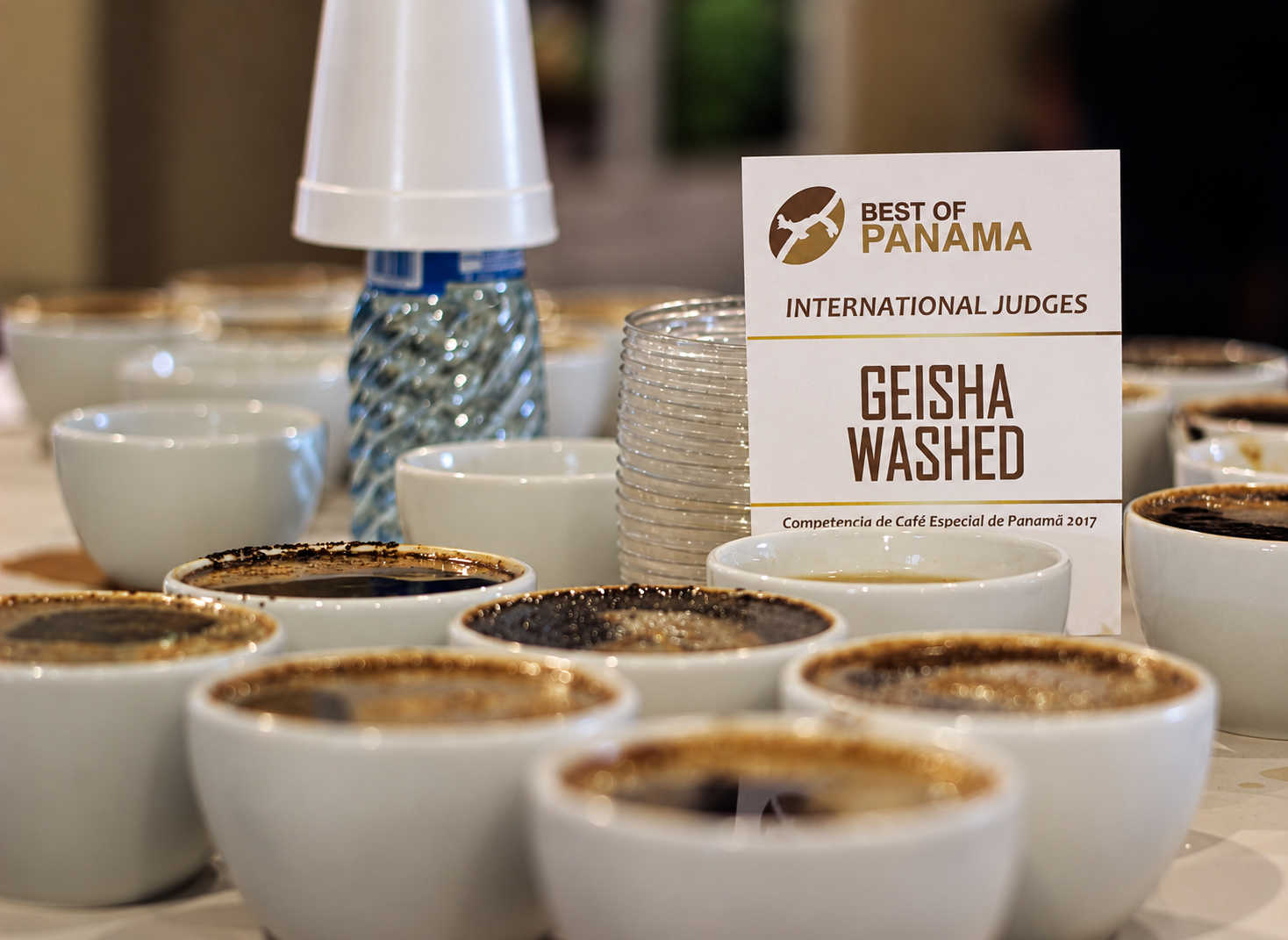
The cupping scores were unlike anything the industry had seen. Buyers described sensory profiles that seemed to belong to another category entirely, jasmine florals, bergamot, tropical fruit, a silky body that recalled fine tea more than traditional coffee. The winning lot sold for $21 per pound, at a time when the finest commercial coffees were selling for a few dollars.
Within a decade, Geisha had become the most sought-after coffee variety in the world.
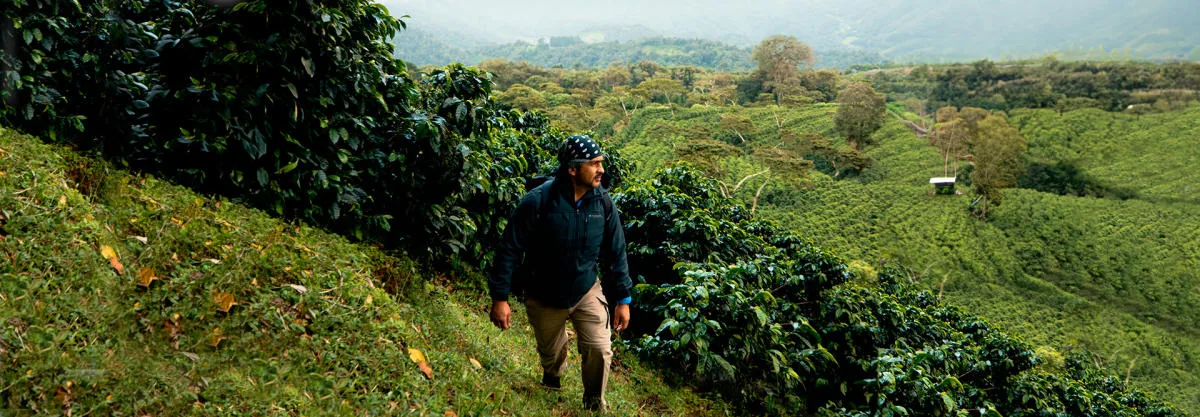
Why is it called "Geisha" coffee?
The name has nothing to do with Japan. It comes from the Ethiopian village of Gesha, near where the wild coffee was first collected. When the seeds passed through international research centers, the spelling shifted to "Geisha", an anglicized version that stuck in the specialty coffee world. Both spellings are considered correct today, though "Gesha" is often preferred by producers emphasizing the coffee's Ethiopian origin.
Why Is Panama Geisha So Expensive?
The prices Geisha commands aren't arbitrary. They reflect a combination of factors that would be difficult, and in some cases impossible, to replicate anywhere else.
Extreme scarcity. Even at Panama's best estates, Geisha represents a tiny percentage of total production. A single farm might produce only a few hundred pounds of competition-grade Geisha per year. When global demand comes from every serious specialty roaster in the world, the math on price becomes inevitable.
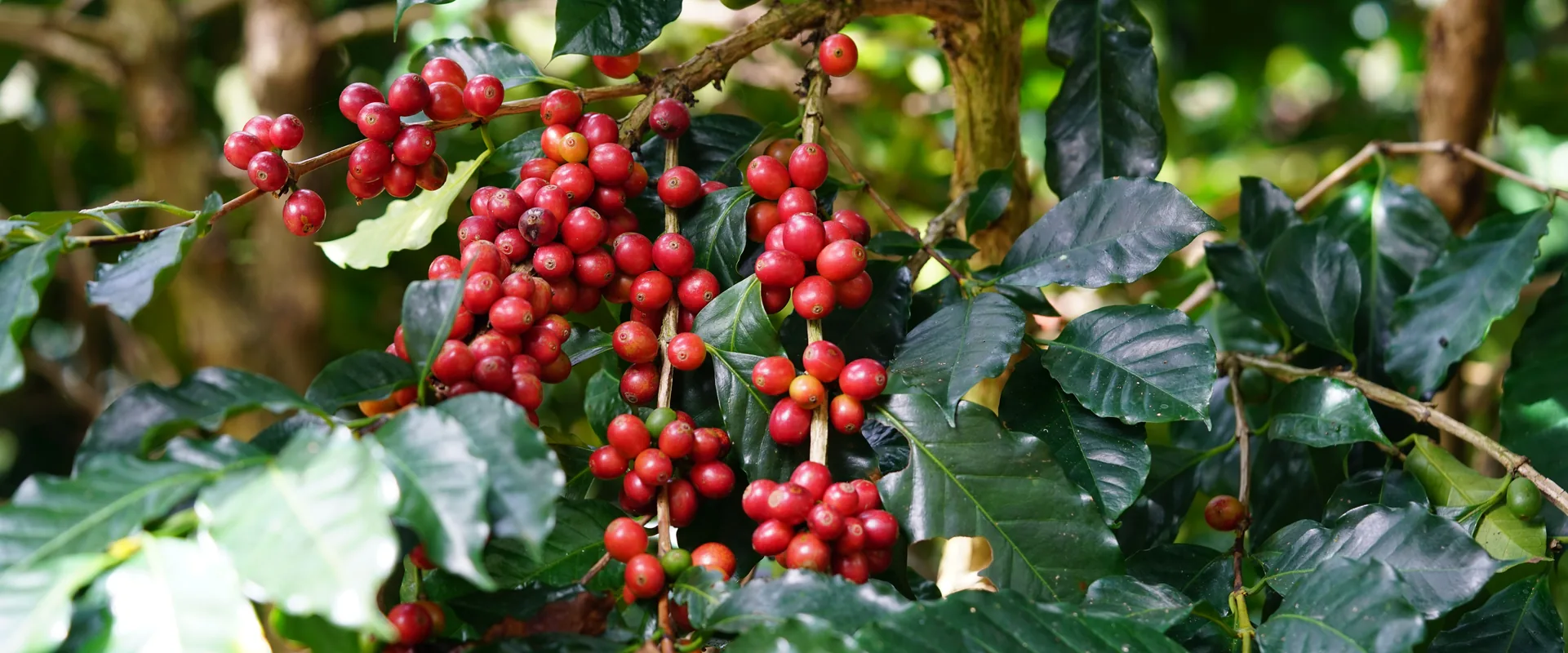
Terroir that can't be replicated. Geisha grows best above 1,500 meters, in cool volcanic soils, with specific patterns of sun, mist and rainfall. Chiriquí, the western province of Panama where Boquete and Volcán are located, offers a combination of altitude, volcanic minerality, and microclimate diversity that other coffee regions can't match. Geisha grown at lower altitudes or different soil compositions simply doesn't develop the same flavor complexity.
100% manual, selective harvest. Every cherry is picked by hand, at peak ripeness. Pickers return to the same trees multiple times per season. There is no mechanical shortcut. For competition-grade lots, individual cherries are often inspected before processing.
A brutal auction system. The Best of Panama auction has become the industry's proving ground. Each year, judges from around the world cup dozens of submissions blind. Only the highest-scoring lots reach the auction floor and once there, international buyers bid against each other in real time. In 2019, Ninety Plus Estates sold a Gesha lot for $10,005 per kilogram. In 2021, prices crossed $1,000 per pound for the first time in modern auction history. In 2025, the current record was set: $30,204 per kilogram for a lot named "Canvas of Terroir", verifiable on the Best of Panama official auction platform.
Flavor that has no substitute. The most experienced cuppers in the world describe Panama Geisha as an experience without precedent. Jasmine and bergamot on the nose. Peach, mango and papaya on the palate. A body that's simultaneously silky and delicate. Coffee that tasted blind, doesn't always register as coffee at all.
Does Panama Geisha coffee taste like tea?
This is one of the most common observations from first-time drinkers. Panama Geisha, especially when prepared as pour-over or served black, has a delicate, almost floral quality that recalls fine oolong or first-flush Darjeeling tea more than conventional coffee. The body is lighter than most Arabicas. The finish is clean, sweet and lingering. It's this quality, coffee that transcends coffee, that has made Geisha so revolutionary in the specialty world.
How Much Does Panama Geisha Coffee Cost?
Understanding Geisha pricing requires understanding that there is no single "Geisha price." The cost varies dramatically based on the grade, source and where you buy it.
Here's the honest range:
- Standard Geisha at a Panama specialty café: $8-$20 per cup
- Elite Geisha at international specialty cafés: $24-$60 per cup
- Standard Geisha at Panama specialty shops (per lb): $50-$200 per pound
- Competition-grade Geisha (per lb): $2,000-$4,500 per pound
- Auction record 2025 (Best of Panama): $30,204 per kilogram
- Nido 7 Geisha and top single-lots: $500-$2,000+ per 100g
For context: a specialty café in Boston sells single cups of Panama Geisha for $24 each. That price reflects a bean that cost the roaster several hundred dollars per pound at wholesale.
For the average buyer, high-quality Panama Geisha is accessible starting around $80-$150 per pound at specialty roasters worldwide. What sets the record-breaking lots apart is not just quality, it's a combination of quality, scarcity and provenance that turns them into collectible items rather than everyday beverages.
How much is Panama Geisha coffee in Panama?
Geisha is generally more affordable in Panama than in international markets, though it's still premium coffee. A standard Panama Geisha at a specialty café in Panama City ranges from $8 to $20 per cup. Competition-level Geisha experiences at estates in Boquete range from $50 to $200 per person, often including guided cuppings, farm tours, and take-home samples.
Panama Geisha vs the World's Other Elite Coffees
Panama Geisha isn't the only expensive coffee in the world, but it may be the most respected. Here's how it compares to other premium categories most travelers have heard of:
Panama Geisha vs Jamaican Blue Mountain. Blue Mountain, grown in Jamaica's mountain region, has been considered a premium coffee for decades. It's smoother, more balanced and less aromatic than Geisha. It sells for $50-$150 per pound at retail. Expensive, but a fraction of Geisha's peak prices. Blue Mountain is a fine coffee; Geisha is a category-defining one.
Panama Geisha vs Kona. Kona coffee, from Hawaii's Big Island, is the most recognized premium coffee in the American market. It's typically $50-$100 per pound and has a mild, sweet, nutty profile. Kona is easy to appreciate; Geisha is complex to comprehend. Direct comparison isn't quite fair — they're aiming at different sensory targets.
Panama Geisha vs Kopi Luwak. Kopi Luwak, the Indonesian coffee processed through the digestive system of civets, is often cited as "the most expensive coffee in the world" in popular media. In reality, its prices ($100-$600 per pound) are far below Geisha's peaks, and its reputation among specialty coffee professionals is mixed, many consider it a novelty rather than a benchmark.
Panama Geisha vs Ethiopian Yirgacheffe. Yirgacheffe, from the ancestral home of Geisha itself, is one of the most celebrated coffees in the world at $20-$80 per pound. It shares some floral characteristics with Geisha but doesn't reach the same intensity or complexity in cup profile.
The verdict: Panama Geisha isn't just expensive, it's expensive for reasons the industry has verified for two decades.
The historical arc of Geisha, from Ethiopian origins to Panamanian breakthrough, has been chronicled extensively by specialty coffee publications like Sprudge.
The 2004 Auction That Changed Coffee Forever
To understand why Panama Geisha matters, you have to understand what happened at the 2004 Best of Panama competition, an event chronicled extensively by industry publication Sprudge.
At the time, the specialty coffee industry had established a broad hierarchy: Kenya AA, Ethiopian Yirgacheffe, Colombian Supremo, Jamaican Blue Mountain. Prices at auction rarely exceeded $10 per pound. Most premium coffees settled in the $3-$8 range.
Hacienda La Esmeralda, owned by the Peterson family, entered a lot of Geisha that had been growing quietly on their farm for years. The judges, international cuppers with decades of experience, began scoring the coffee unusually high. Then they began scoring it unprecedentedly high.
When the auction opened, buyers who had tasted the lot bid aggressively. The final price, $21 per pound, was more than double the previous record.
Within two years, other Panamanian estates were investing in Geisha production. Within five years, the coffee had entered the vocabulary of every serious specialty roaster in the world. Within a decade, Geisha had transformed what "premium coffee" could mean, and what it could cost.
Panama, a country better known for its canal than its agriculture, had quietly become the source of the world's most valuable coffee.
World of Coffee 2026: Why Panama Is the Center of Coffee This October
The Specialty Coffee Association's flagship event, World of Coffee, has traveled the globe since its founding, hosting industry professionals in cities including Milan, Berlin, Amsterdam and Dubai. It's the annual gathering where roasters, importers, competition judges and coffee professionals from over 150 countries meet to taste, negotiate, learn and set the agenda for the year ahead.
In October 2026, World of Coffee comes to Panama City for the first time in Latin American history.
This isn't a coincidence. It's a recognition. Panama has spent two decades quietly establishing itself as one of the most important coffee origins in the world. Bringing the industry to Panama City for its most important annual event is the international coffee community's formal acknowledgment of that fact.
For travelers, the timing creates a rare window:
- Global coffee attention on Panama is at its peak.
- Producers, roasters and industry figures are converging on the country.
- Coffee estates in Boquete are hosting special tours, tastings and events tied to the conference.
- Media coverage will elevate Panama's coffee origin story to international audiences who have never considered visiting.
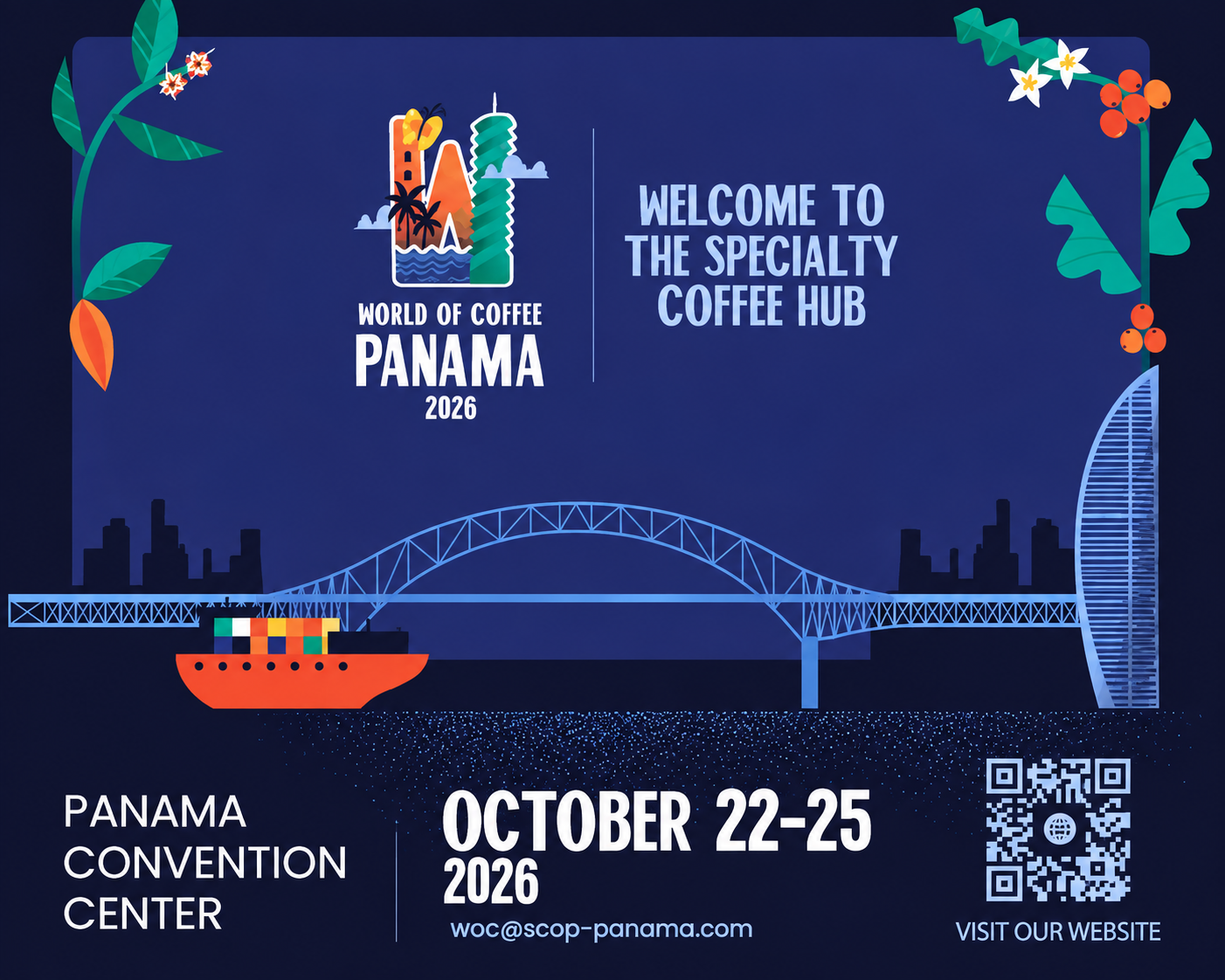
Even for travelers not attending the conference itself, October 2026 is arguably the single best moment in years to experience Panama Geisha at its source. The infrastructure is peaked, the harvest season is beginning, and the industry conversation is happening in real time.
How to Experience Panama Geisha at the Source
Boquete, in the western province of Chiriquí, is the heart of Panama's coffee country. Located at approximately 1,200 meters (with estates climbing to 1,800+), Boquete offers cool mornings, misty afternoons, and volcanic soil that has made it one of the world's most respected coffee origins.
From Panama City, Boquete is accessible in two ways: a 45-minute flight to David (the region's main airport) followed by a 45-minute drive, or a 6-hour scenic drive through the country. Most luxury travelers opt for the flight.
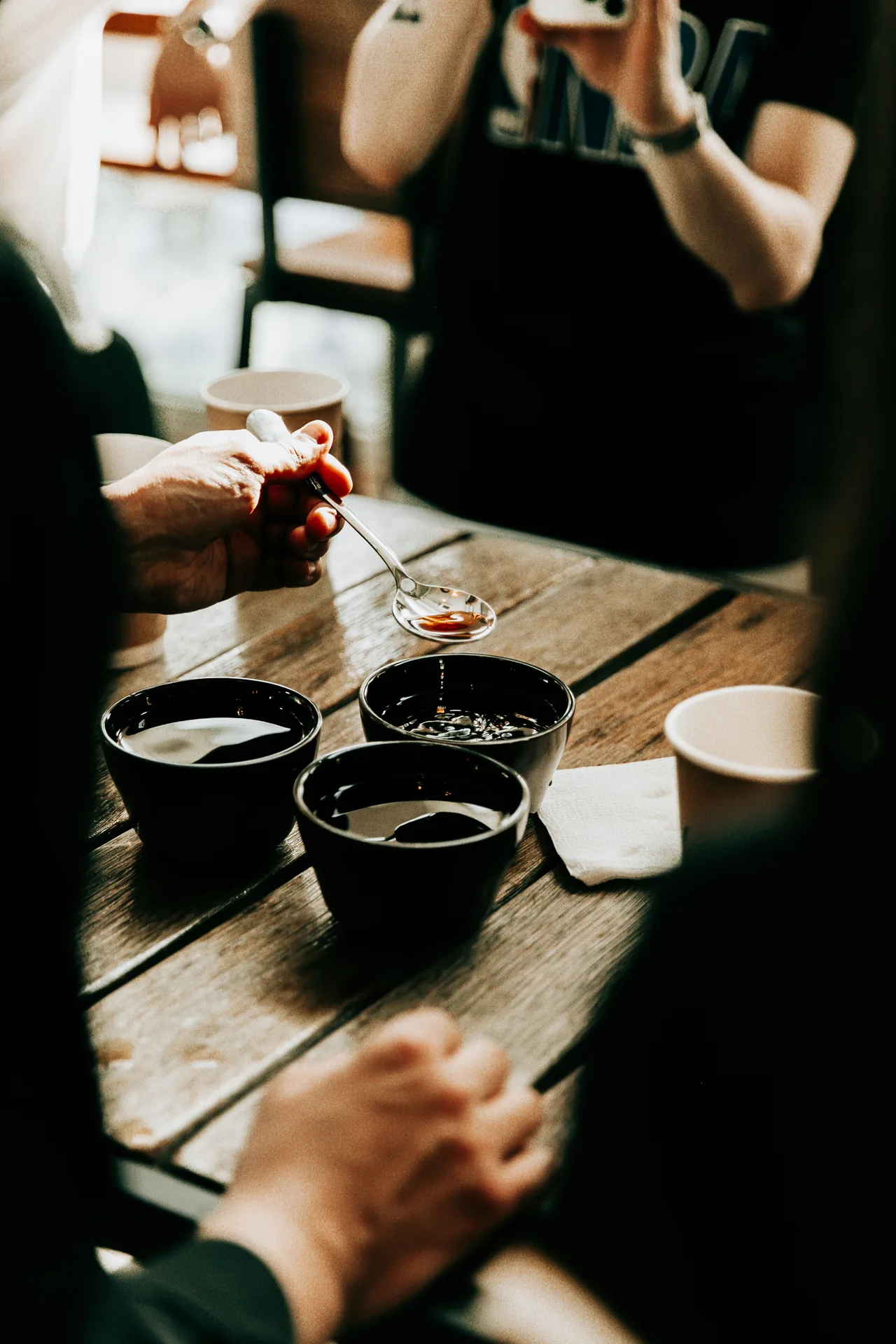
The estates that produce Panama Geisha
Several estates in Boquete and surrounding areas produce competition-grade Geisha. The most notable include:
Hacienda La Esmeralda: the estate that started it all. The Peterson family's operation remains one of the largest and most awarded Geisha producers in Panama.
Ninety Plus Estates: one of the most experimental producers, known for pushing processing techniques and consistently topping international auctions. Their premium lots have sold for some of the highest per-kilogram prices in coffee history.
Elida Estate: a smaller family operation producing highly acclaimed Geisha with distinctive floral profiles. Regular Best of Panama competitor.
Finca Lerida: one of Boquete's oldest and most historic estates, with a beautiful setting and traditional processing methods.
Other estates worth noting include Casa Ruiz, Kotowa Coffee and Duncan Estate. Each has its own approach, altitude, and cup profile.
The difference between a tourist coffee tour and a private estate visit
Most Boquete coffee tours are designed for cruise-ship day-trippers or backpacker travelers. They cover the basics, a walk through a small plot, an explanation of processing, a tasting of standard coffee. They're pleasant, but they don't reach the level that a Geisha-focused traveler is looking for.
A private estate visit is a different experience entirely:
- Direct meetings with the producer or their designated representative
- Guided walks through actual competition-grade plots
- Cupping sessions with award-winning lots (not standard production)
- Discussion of processing decisions, competition strategy and terroir
- Sample take-home lots that aren't available in retail
- Time, hours. Not minutes
For the traveler serious about coffee, the difference is fundamental.
What to expect during your visit
A well-designed Geisha estate visit typically includes:
- Farm walk through Geisha plots (30-60 minutes)
- Introduction to processing methods (washed, natural, honey, experimental)
- Guided cupping of multiple Geisha lots
- Comparison with other varieties from the same farm
- Discussion with the producer about their approach
- Coffee purchase opportunity from limited-availability inventory
Total time on the estate ranges from 2 to 5 hours, depending on the depth of the visit.
Where to Buy Panama Geisha Coffee
For travelers who want to bring Geisha home, or for those planning ahead, Panama offers several purchase options:
Directly from estates in Boquete. The most authentic and often the best-priced option. Most estates with tour operations have on-site retail where you can purchase directly from producers. Competition-grade lots may be limited but standard high-quality Geisha is usually available.
Specialty cafés in Panama City. Several excellent cafés serve and sell Geisha:
- Café Unido (multiple locations), specializing in Panamanian producers.
- La Vasquita (multiple locations).
- Geisha Experience Panama (Casco Antiguo).
- Sisu by Lamastus Family Estates (Multiple locations), cupping only available at Casco Antiguo.
- Leto Coffee (multiple locations).
- Mona Coffee House (multiple locations).
- Cabrera Coffee (multiple locations).
- Terroir Espresso Bar (El Carmen).
Tocumen International Airport. The airport has grown its specialty coffee retail significantly. Duty-free shops carry several Panamanian Geisha options, convenient for travelers heading home.
Online with international shipping. Most major Panama estates now ship internationally. This is often the most reliable way to access competition-grade lots that sell out quickly during the year.
Can I bring Panama Geisha coffee back home?
Yes, in almost all cases. Roasted coffee beans and ground coffee are permitted in most countries. Verify current regulations with your country's official border authority:
- United States: The USDA Animal and Plant Health Inspection Service permits roasted coffee for personal use.
- Canada: The Canadian Food Inspection Agency allows coffee imports for personal use.
- United Kingdom: Consult UK Government guidance on bringing food into Great Britain.
- Australia: Check Australian Border Force guidelines.
- European Union: Review EU coffee import requirements.
For best flavor preservation, request whole beans (not pre-ground), ideally in vacuum-sealed or nitrogen-flushed packaging. Store in your luggage away from strong odors, and grind at home rather than at origin.
Fresh, unroasted green coffee beans are treated differently in some countries — always purchase already-roasted coffee if you're planning to travel with it.
How Panama Luxury Experiences Coordinates Private Geisha Visits
At Panama Luxury Experiences, we design private itineraries for travelers who want to experience Panama Geisha where it's grown. Our coordination includes:
Access to award-winning estates. We work directly with several of Boquete's most respected producers, including estates that have won Best of Panama in multiple years. Our access allows for private, in-depth visits that aren't available through standard tour bookings.
Private transportation. Round-trip helicopter transfers from Panama City for guests who value time. Alternatively, private chauffeur service with commentary during the scenic route through the country's western provinces.
Curated cupping sessions. We work with producers to organize cupping experiences featuring competition-grade lots, often including specific award-winners from recent Best of Panama competitions.
Complete itinerary integration. A Geisha visit rarely stands alone. We coordinate multi-day itineraries that combine Boquete with other Panama experiences: private yacht charters in the Pearl Islands, Casco Antiguo cultural immersion, wellness retreats in the highlands, and connections to World of Coffee 2026 for guests visiting during the conference window.
One dedicated concierge. From your first inquiry through your final transfer home, a single point of contact coordinates every detail. Your preferences, dietary requirements, timing constraints and specific interests all live with one person who knows you.
Frequently Asked Questions
Is Panama Geisha the most expensive coffee in the world?
Yes. Panama Geisha has held the world record for the most expensive coffee sold at auction consecutively for several years. The current record is $30,204 per kilogram, set at the 2025 Best of Panama auction for a lot named "Canvas of Terroir."
Can I visit a Geisha coffee estate as a tourist?
Yes, though experiences vary widely. Standard coffee tours are widely available in Boquete for approximately $30-$50 per person. Private, in-depth estate visits with award-winning producers require advance coordination and typically range from $150-$500+ per person depending on depth and inclusions.
What does Panama Geisha taste like?
Panama Geisha is characterized by intense floral notes (jasmine, bergamot), tropical fruit flavors (peach, mango, papaya), a delicate silky body, and a clean lingering finish. Many first-time drinkers describe it as more similar to fine tea than to conventional coffee.
When is the coffee harvest season in Panama?
Panama's coffee harvest typically runs from November through March, with peak harvest in December-February. Visiting during harvest season allows travelers to see picking, processing and fermentation in real time. Cupping and estate visits are available year-round.
Do you need to be a coffee expert to visit a Geisha estate?
No. Well-designed estate visits accommodate all experience levels. Producers and guides are skilled at introducing Geisha to newcomers while offering depth for coffee professionals. What matters is genuine interest, not existing knowledge.
Is Panama Geisha coffee good for espresso?
Panama Geisha can be prepared as espresso, but many roasters and baristas prefer to serve it as pour-over or filter coffee to fully express its delicate florals and fruit notes. Espresso preparation can concentrate flavors in ways that don't always favor Geisha's more subtle characteristics.
What is the 15-15-15 coffee rule?
The 15-15-15 rule is a general brewing guideline sometimes referenced in specialty coffee: 15 grams of coffee, 15 grams of water, 15 seconds of extraction (for espresso-style preparation). For pour-over Geisha, most specialty baristas use a 1:16 or 1:17 coffee-to-water ratio.
How is Geisha different from Arabica?
Geisha is a varietal within the Arabica species, all Geisha is Arabica, but not all Arabica is Geisha. According to World Coffee Research, the Geisha varietal is distinguished by its specific genetic profile (originally from Ethiopia's Gori Gesha forest), which produces the distinctive floral and fruit-forward cup profile that separates it from other Arabica varieties like Bourbon, Typica or Caturra.
Where can I buy Panama Geisha coffee outside of Panama?
Most major cities with strong specialty coffee scenes have roasters that sell Panama Geisha. In the United States, notable examples include George Howell Coffee (Boston), Verve Coffee (California), Stumptown, Intelligentsia and Blue Bottle. Many Panama producers also ship internationally directly from their websites.